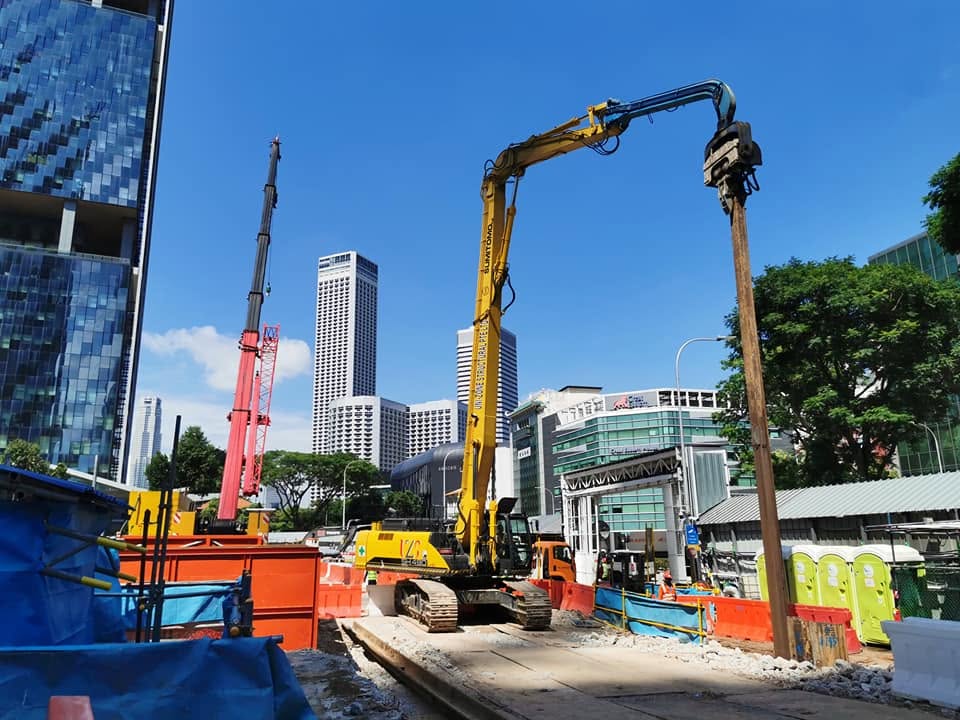
Problems with temporary works are cheapest to fix on paper. These checks help.
Before tender
- Ground information. Is the site investigation adequate for the excavation, and does the borehole spacing reflect the variation you expect?
- Utilities. Are existing services mapped, and which can be diverted? BCA has issued a circular on managing the risks of utility gaps within ERSS where utilities cannot be moved.
- Adjacent structures. What lies within the zone of influence, and what impact limits apply?
- Design basis. Does the design follow current BCA requirements and the approved document?
- Method constraints. Noise, vibration, working hours and access.
- Scope boundaries. Who supplies what, such as piles, struts, decking, monitoring and removal?
- Risk allowances. Obstructions, hard layers and groundwater.
Before construction
- Approvals in hand. Plan approval and the permit to commence work, as applicable.
- Sheet pile integrity. BCA has issued a guideline on ensuring the integrity of interlocked sheet pile walls to prevent ground loss, which applies to submissions made on or after 1 June 2026. Confirm how it affects your design and installation.
- Competence. BCA advises developers to engage QPs and builders who are competent in ERSS design and construction.
- Method statements and risk assessments reviewed and approved.
- Materials. Piles, struts and walers inspected, and welds tested where needed.
- Monitoring plan. Instruments, trigger levels and response procedures agreed.
- Trial or pre-boring where obstructions are expected.
A short checklist review before tender and again before mobilisation can save weeks.